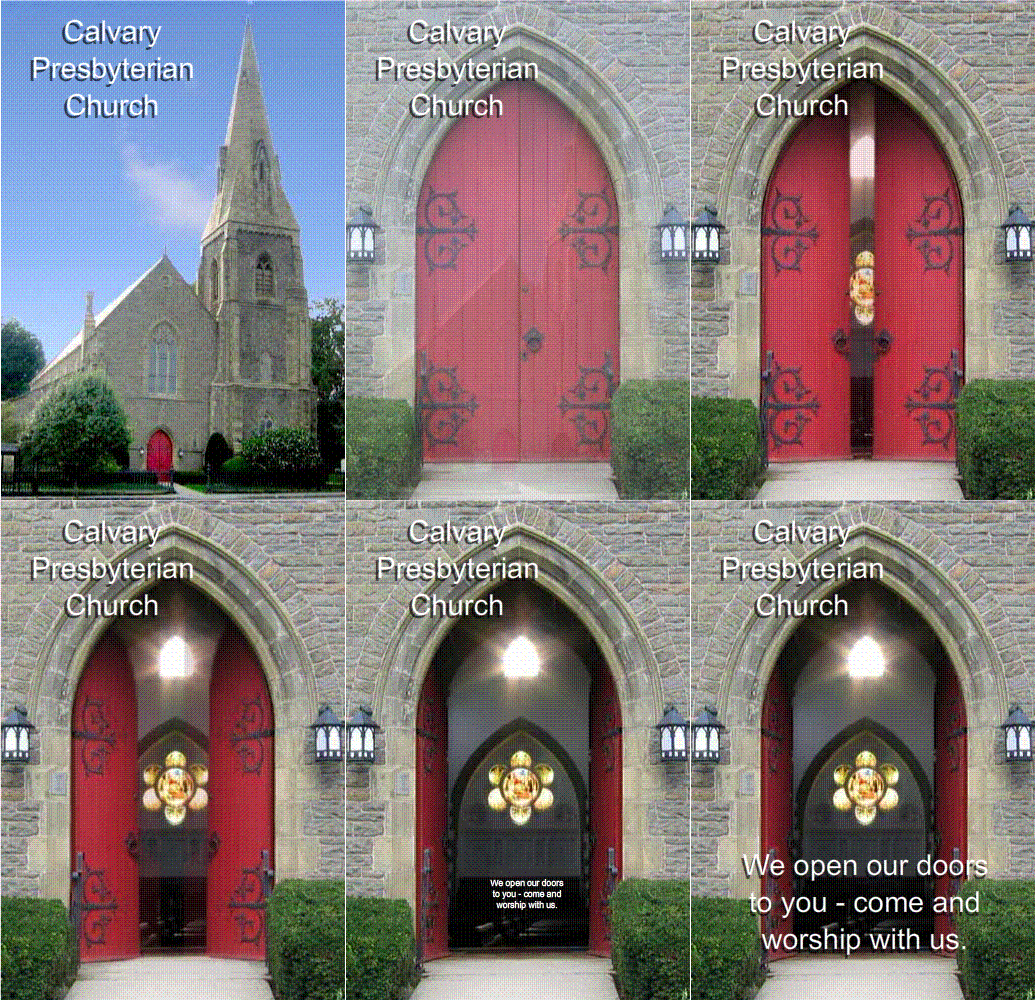
Welcome to
Calvary Presbyterian Church
J. Edward Lewis, Pastor and Teaching Elder
Please join us for
Sunday Worship Services at 10:30
Services will be broadcast on Zoom and FaceBook Live. If you want to take part please sign up for our newsletter (bottom right of this page) so you will receive the announcements and information to join.
Please visit our Facebook page to view the services here.
(If you would like to view the service on zoom please find the link in the newsletter.)
And Wednesday Bible study at 2:00 – 3:00 PM via Zoom
Click here for Bible Study instructions
Concerts at Calvary

We are so excited to begin our second season of
Thornwillow Concerts at Calvary, and
Community Concerts at Calvary. Please join us for it all!
___________________________________________________
The Calvary Concerts Schedule can be found here
____________
To receive email notifications regarding our Concert Series
CLICK HERE to sign up
____________
If you would like become a sponsor of the
Community Concerts at Calvary, please click here.
Community Dinners are back!
Third Saturday of the month Watch the newsletter for more details.
Donate to Calvary Presbyterian Church
using Paypal. You don’t need a
PayPal Account to donate. Click or scan below.


or you can mail checks to
Calvary Presbyterian Church
120 South Street, Newburgh, NY 12550
Make checks payable to Calvary Presbyterian Church
and note “fire fund” on the memo line.
Donations are tax deductible.
We are a congregation of talented and tenacious Christians. We seek, by the liberating and compelling grace of God, to follow Jesus the Christ’s example as we honor God and are actively involved in neighborhood and community.
The Calvary family represents a range of beliefs and faith histories. We come together because we believe in the power of a community joined together through the love and grace of Jesus Christ. Calvary seeks to serve through outreach, with many from the community joining us in our efforts. Once a month we open our doors to our neighbors and invite everyone to share a home-cooked meal at our Community Dinners. Bike Newburgh helps us get to know our neighbors through sharing services on the street and
providing bike repair for anyone who needs it. Some work with Habitat for Humanity through PresbyBuild in leadership, hands-on work and by offering space for meetings. Calvary also helps and supports other local efforts including Rural and Migrant Ministry and Project Life. We provide assistance to our community through our Health Ministries, including hosting health fairs, our health/addiction group meetings and Acupuncture in Community. Please click on our Ministries menu to see the many ministries we include in our outreach to the community.
Our history is long and our love of our building is strong. Click on the History menu for information about our building, stained glass, Skinner pipe organ and more. But without faith and the willingness to use it to serve others, it’s just history. Join us as we seek ways to combine history with service and open our historic doors to the needs of the community.